@SUQ-MADIQ mój ulubiony magazyn
Zaloguj się aby komentować

#zeglarstwo #statki #morze #bezpieczenstwonamorzu
Po zderzeniu z wielorybem zatonął 13 metrowy (44') jacht RAINDANCER. Uszkodzenia dna wokół śruby i skegu były na do zabezpieczenia i jacht szybko poszedł na dno. Ranny, krwawiący wieloryb zanurkował i nie wiadomo czy wypłynął.
Kilka FAKTÓW i MYŚLI:
#1 - zatonięcia jachtów po spotkaniu z morskimi dużymi ssakami są rzadkie, ale się zdarzają. Również po celowym działaniu orek wzdłuż brzegów Porugalii i Hiszpanii.
#2 - Po spotkaniu ze statkami ginie około 20.000 zwierząt ROCZNIE!
#3 - od 2007 roku zgłoszono 1200 kolizji jachtów z wielorybami.
#4 - Od 2019 co rok ponad 100 ataków Gangu Orek na jachty wzdłuż brzegów od Gibraltaru do Zatoki Biscay kończy się zniszczeniem sterów i kilku zatopieniami.
#5 - Ale niektóre kraje, w tym Hiszpania i Portugalia, zabraniają odstraszania morskich ssaków, a ŻADNE z oficjalnych zaleceń nie działa!
#6 - PINGER - holowana za jachtem bojka emitująca specjalne sygnały skutecznie odstrasza orki i innw morskie ssaki. Cena €110 - 150.
#7 - gdyby sy RAINDANCER (i większość innych straconych jachtów) miał wbudowane grodzie wodoszczelne to by nie zatonął. Ale byłby pewnie troszkę droższy i mniej wygodny do mieszkania.
PS. Zdjęcia z "Latitude 38" nr4/23 - ciekawego magazynu żeglarskiego


Słyszałem o tych orkach atakujących jachty ale myślałem, że to pojedynczy przypadek był.
Tutaj to wygląda na zorganizowaną grupę przestępczą i to o charakterze zbrojnym przez uzębienie.
Pewnie dlatego iberyjskie rządy nieskuteczne zalecenia wydają. Boją się waleniowej mafii.
Zaloguj się aby komentować
Jak być wartościowym pierwszym oficerem
#zeglarstwo
Zaloguj się aby komentować

A więc, to już jutro...
#2137 #muzyka #techno #zegluga #zeglarstwo #wedkarstwo #serum
Zaloguj się aby komentować
Zaloguj się aby komentować
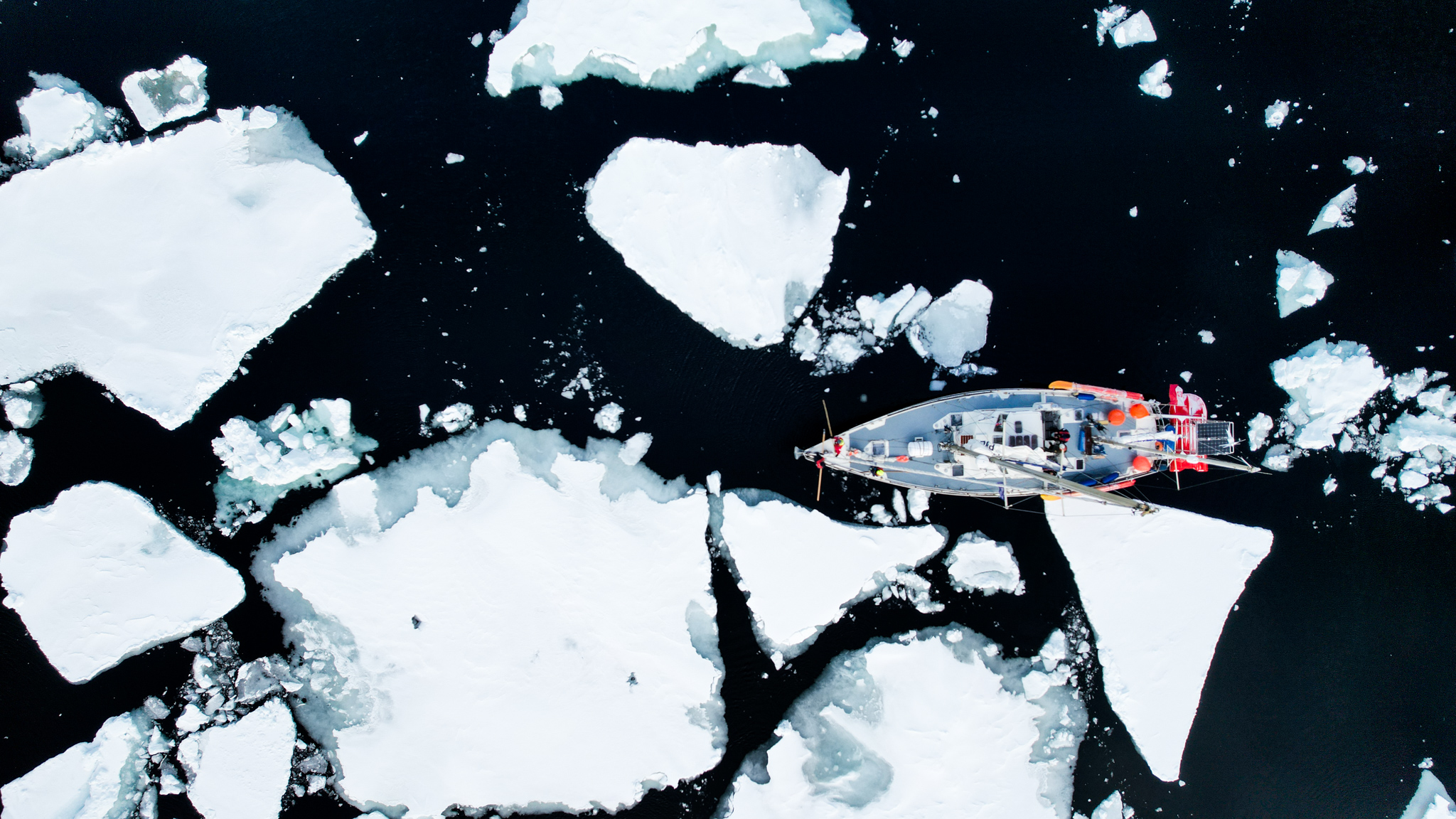
Ludzie sie posuną do wszystkiego żeby spierdolić z pislandu #zeglarstwo
https://nowezagle.pl/czy-wyprawy-do-krain-pokrytych-lodem-to-juz-polska-specjalnosc/
Zaloguj się aby komentować

@SUQ-MADIQ Ciekawe od jakich warunków uważa stosowanie lifeliny za konieczne
Zaloguj się aby komentować
Nie ma róży bez kolców
Trudne warunki na trasie The Ocean Race .
𝗥𝗼𝘀𝗮𝗹𝗶𝗻 𝗞𝘂𝗶𝗽𝗲𝗿 z Team Malizia wczoraj około 9:00 UTC 𝗱𝗼𝘇𝗻𝗮ł𝗮 𝘂𝗿𝗮𝘇𝘂 𝗴ł𝗼𝘄𝘆 po tym, jak w pobliżu Przylądka Horn wyjątkowo duża fala nieoczekiwanie rzuciła jachtem.
Rosie nie straciła przytomności, 𝗱𝗼𝘇𝗻𝗮ł𝗮 𝗷𝗲𝗱𝗻𝗮𝗸 𝘀𝗶𝗹𝗻𝗲𝗴𝗼 𝗸𝗿𝘄𝗮𝘄𝗶𝗲𝗻𝗶𝗮 𝘇 ł𝘂𝗸𝘂 𝗯𝗿𝘄𝗶𝗼𝘄𝗲𝗴𝗼. Will Harris i Antoine Auriol opatrzyli jej ranę i co godzinę monitorowali Rosalin pod kątem nasilających się objawów wstrząsu mózgu.
Spike Briggs, lekarz wyścigu, potwierdził, że Rosie doznała wstrząśnienia mózgu i musi odpocząć. Jak odpocząć na kilkumetrowej fali nie wyjaśnił
Dyrektor zespołu zapewnia że Rosie jest twarda i dużo odpoczywa, podczas gdy Will Harris potwierdził, że załoga robi wszystko co w ich mocy, aby upewnić się, że wszystko jest w porządku.
Załoga, zespół lądowy i organizatorzy wyścigu będą monitorować Rosalin, korzystając z porad doktora Briggsa, aby zapewnić najlepszą możliwą opiekę.
𝗪𝗴 𝗽𝗿𝗼𝗴𝗻𝗼𝘇, 𝘁𝗿𝘂𝗱𝗻𝗲 𝘄𝗮𝗿𝘂𝗻𝗸𝗶 𝗺𝗮𝗷𝗮̨ 𝘀𝗶𝗲̨ 𝗱𝘇𝗶𝘀́ 𝗽𝗼𝗽𝗿𝗮𝘄𝗶𝗰́.
Team Malizia pomimo kontuzji Rosie prze naprzód, właśnie mija Horn i prowadzi w wyścigu.
#żeglarstwo
foto: The Ocean Race press release


Zaloguj się aby komentować

Film pokazujący rozbiórkę okrętu US Navy od momentu wyciągnięcia na brzeg do jego całkowitej dezintegracji w angielskiej firmie Able UK zajmującej się rozbiórką okrętów na zlecenie US Navy, Royal Navy oraz Marine Nationale.
Rozbierany okręt to USS Canopus był częścią "Floty Duchów" czyli...
#zeglarstwo #bezpieczenstwonamorzu
podoba mi się fok sztormowy, mam babysztag z wanty 6mm i sie zastanawiam czy sobie nie zrobić rollera z żaglem sztormowym na tym
wincy fotek tej łódki https://m.facebook.com/story.php?story\_fbid=pfbid02BD9aQWR64oyHoYki9rXCW2ztzhiyPWVHa7JWwx9xWCWW3PxEWi35PHtfBsrZBvS7l&id=8790910699


Zaloguj się aby komentować
Zaloguj się aby komentować
#zeglarstwo #statki #historia
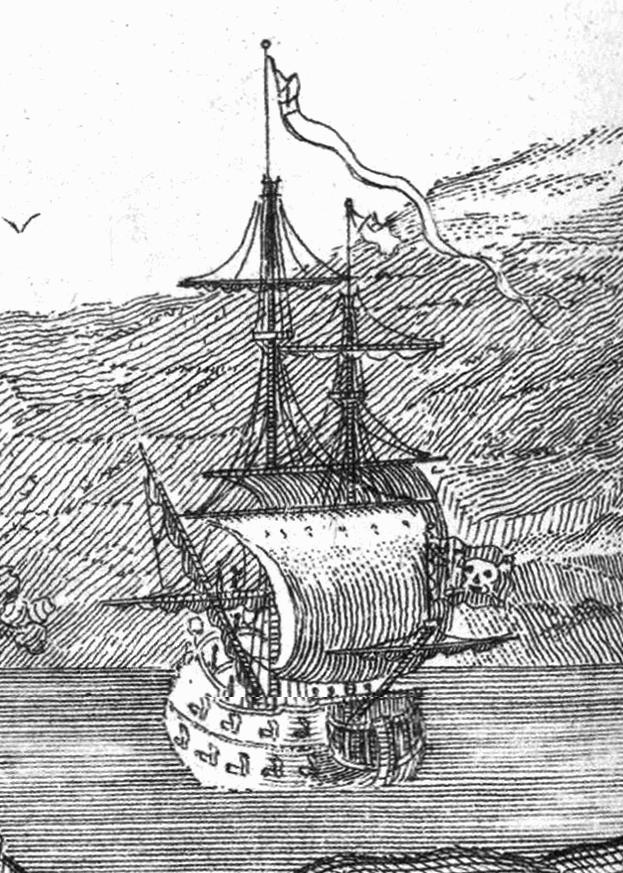
Queen Anne's Revenge was an early-18th-century ship, most famously used as a flagship by Edward Teach, better known by his nickname Blackbeard. Although the date and place of the ship's construction are uncertain,[3] it was originally believed she was built for merchant service in Bristol, England in 1710 and named Concord, later captured by French privateers and renamed La Concorde. After several years' service by French sailors (both as a naval frigate and as a merchant vessel – much of the time as a slave trading ship), she was captured by Blackbeard in 1717. Blackbeard used the ship for less than a year, but captured numerous prizes using her as his flagship.
In May 1718, Blackbeard ran the ship aground at Topsail Inlet, now known as Beaufort Inlet, North Carolina, United States, in the present-day Carteret County. After the grounding, her crew and supplies were transferred to smaller ships. In 1996, Intersal Inc., a private firm, discovered the remains of a vessel that was later determined to be Queen Anne's Revenge, which was added to the U.S. National Register of Historic Places.The shipwreck was discovered off Beaufort Inlet, North Carolina.
https://en.wikipedia.org/wiki/Queen_Anne%27s_Revenge
https://www.facebook.com/groups/tallships/permalink/9034056143332482/

@SUQ-MADIQ na polski nie umiesz przetłumaczyć?
Zaloguj się aby komentować
#zeglarstwo #historia #mechanika
EVINRUDE introduced a “FOUR-STROKE” outboard, two inboards and two boats in 1916
In 1916, Evinrude Motors, now owned by Ole’s ex-partner Chris Meyer, introduced a four-cycle, opposed twin-cylinder outboard producing 4-horsepower and costing $125 to its product line. Unfortunately, the motor failed to deliver any significant speed or performance increase over the improved single-cylinder, two-cycle Evinrudes, though weighting and costing considerably more. It was discontinued after 1917.
Notably, a pair of two-cycle “inboards” were also introduced in 1916. The single-cylinder 2-horsepower model cost $50, while the two-cylinder 5-horsepower model cost $90. That year, Evinrude Motors also ventured into the boat building business showcasing two 16-foot boats - a round bottom model ($80) and flat bottom model ($40) - for use with its motors.
Sales, however, continued to decline for Meyer, and by 1917, had fallen to 5,534 units, or roughly half the volume produced by Ole and Bess the year they embarked on their five-year retirement and non-compete in 1914. Despite lagging in sales, Evinrude Motors was still the leading outboard producer when Ole’s non-compete expired in 1919.
(Brochure cover upper left.)

Zaloguj się aby komentować
#zeglarstwo #statki #bekaztransa #morze
polecam zerknąć ( ͡° ͜ʖ ͡°)
Zaloguj się aby komentować
@SUQ-MADIQ jest też na podcastgo, tak w ogóle to autor mirkuje, nie wiem czy jest na hejto ale polecam cały podcast
Zaloguj się aby komentować
#zeglarstwo #inzynieria
zainteresowałem się tym alternatorem na sterydach, sprawdzam opinie o firmie a tam jak u nas ze szkutnikami ( ͡° ͜ʖ ͡°) sytuacja na rynku świń nadal beznadziejna


Zaloguj się aby komentować
#zeglarstwo #bezpieczenstwonamorzu
https://www.yachtingworld.com/yachts-and-gear/the-best-new-boat-accessories-of-2023-143616
Zaloguj się aby komentować
#modelarstwo #statki #zeglarstwo
The steam engine was one of the main pillars of the Industrial Revolution and changed the world of shipping forever. This invention is one of the principal subjects in our section dedicated to the history of shipbuilding on deck 3 of the museum. The stars of this section are without any doubt the fully functional engine models of Karl-Friedrich Pohlmann. They include a reproduction of the engines of the RMS Titanic, the SS Deutshcland (1900), but also this masterpiece that shows how steam power opened fully new possibilities in shipping.
You are looking to the engine system of an ocean-going and salvage tug, around 1900, in a scale of 1:25. This type of vessel needs an imense amount of power to carry out their duties - and really needs to be able to operate independently from the wind. So, for such a comparably small vessel, an ocean-going tug will always need a comparably large, mighty and complex engine. This is still the fact for modern offshore operating tugs. The model of the stern of this tug shows two three-cylinder expansion engines with main condensers, and air and water feed pumps, as the heart of the propulsion system. Furthermore, two twin expansion engines with two cooling water centrifugal pumps for the main condensers and two single-cylinder expansion engines with two electric power generators as auxiliary engines. The model is completed by a two-cylinder steering gear with alternating steam valve, to control the rudder of the tug.
This parts are known as compound steam engines. In them, he steam is fed in progressively larger and lower pressure cylinders while it loses heat. This way, the engine uses more power from the steam. This engines are usually closed systems, where the steam is cooled into water to be reheated and reused as steam. This is specially relevant for sea operation, because the use of salt water would damage the boiler. The compound steam engine was invented in the early 1780s, but it took approximately a century to develop functioning maritime applications for the multiple compound steam engine. This system will be the highest propulsion technology for ships until the steam turbine and the Diesel engine were developed.


Quite interesting model,but of despite of being kind of engineer even I have big problems with understanding what (the fuck) is for what. Moreover using such words on hejto - "tug" and "stern"... - quite marinetime specific words,so text isn't so easy. Was that a test or something ?
Get the thunder for reposting it pirate @SUQ-MADIQ - good job,and ahoy !
Zaloguj się aby komentować
Zaloguj się aby komentować

Nie wytrzymie...
Zaloguj się aby komentować