Wojna
Treść dla dorosłych lub kontrowersyjna

Wojna
Treść dla dorosłych lub kontrowersyjna
18+
Treść dla dorosłych lub kontrowersyjna

I komu to przeszkadzało?
Ależ klimatyczne zdjęcie, trochę żal, że obecnie to wygląda zupełnie inaczej.

@Ciuplowski akurat to wyglada plus minus tak samo
@cweliat tak, chodzi mi oczywiście o klimat w samym Paryżu i postrzeganie tego miasta. Ubyło kiosków, tych okrągłych słupów reklamowych, rytm miasta także się zmienił.

ale piękne
Zaloguj się aby komentować
Patrick Robert, Portret żołnierza NPFL, Monrovia, Listopad 1992.
Strona fotografa, ale nie dla wrażliwych
#historia #starszezwoje

Zaloguj się aby komentować
Zaloguj się aby komentować

Kjut
Zaloguj się aby komentować

Kręcenie sceny dla logo wytwórni filmowej MGMT
#starszezwoje #historiajednejfotografii #gownowpis #ciekawostki

Zaloguj się aby komentować
Fidel Castro składa wieniec przed pomnikiem prezydenta Lincolna
#starszezwoje #historiajednejfotografii #gownowpis


Chłop był kilometr od białego domu a szukało go pół Stanów xD
Zaloguj się aby komentować
Czy wasza trawa i kokaina jest zmęczona podróżą?, lata 70. XX wieku. Reklama gadżetów narkotykowych
#historia #starszezwoje

Zaloguj się aby komentować

Myslalem z to widok Titanica w porcie
Zaloguj się aby komentować
Kobiety pracujące w fabryce, Los Angeles okres I wojny światowej.
#historia #starszezwoje

Zaloguj się aby komentować
Niebezpieczna amerykańska instytucja - wolny i nieskrępowany dostęp do broni palnej, 1881
#historia #starszezwoje

Zaloguj się aby komentować

SZCZECIN w roku 1911 i obecnie, 80 lat po "wyzwoleniu" xD
#szczecin #starszezwoje #bekazpolakow


XD ciekawi ew komentarzach
@Topia


Komentarz usunięty
Zaloguj się aby komentować
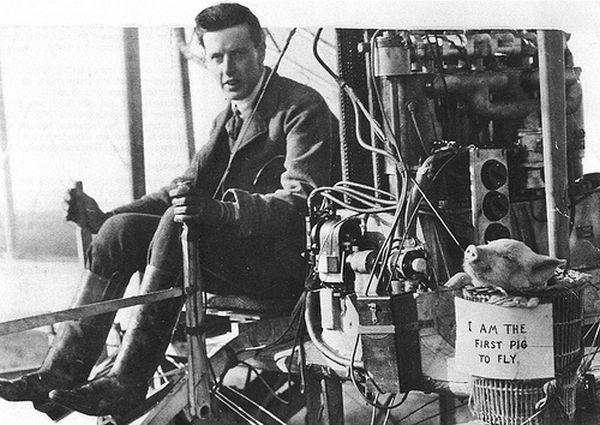
Claude Moore-Brabazon z pierwszą "latającą" świnią, 1909.
"The famous British retort that “pigs might fly” to any suggestion that seems ridiculous has been proved by British aviator Claude Moore-Brabazon (later First Lord Brabazon of Tara).
The first historically recorded flight of a pig took place on at Leysdown in Kent (Great Britain) on November 4th, 1909. With this flight, the aristocratic British aviator made porcine aviation a reality. He fixed a wicker basket to a wing strut of his Voisin biplane and carefully strapped a pig into it. The basket had a hand written sign “I am the first pig to fly”. Then he took bemused pig for a flight of about 3.7 miles from Shellbeach, the Short Brothers airfield at Leysdown on the Isle of Sheppey."
#historia #starszezwoje

Zaloguj się aby komentować
Scott Olson, Jake Hoag przesłuchuje na patrolu afgańskiego chłopa zajmującego się uprawą konopi , 2010.
#historia #starszezwoje


@myrmekochoria dziadek się uśmiecha
Zaloguj się aby komentować
Ostatnia szalupa ratunkowa z RMS Titanic dociera do RMS Carpathia, 15 kwietnia 1912 roku.
#historia #starszezwoje


@myrmekochoria - to niedługo będzie rocznica

@koszotorobur trzeba by uczcić to jakąś rekonstrukcją. Flota czarnomorska aż się pali do inscenizacji ( ͡° ͜ʖ ͡°)
@koszotorobur https://www.youtube.com/watch?v=zkMdEfl9I90&t=6s
Zaloguj się aby komentować
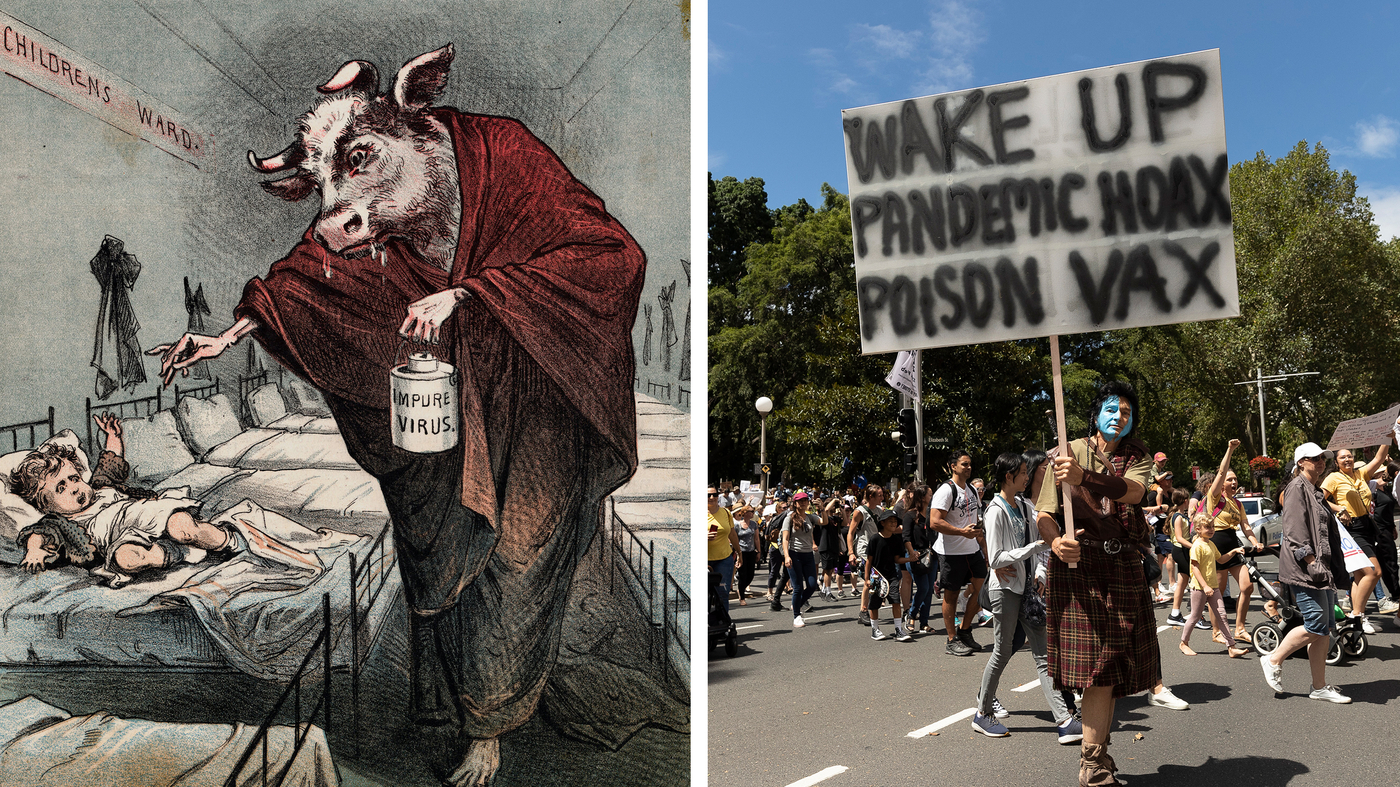
Krowa przywiązana do stołu przed pobraniem próbki do szczepionki, 1900.
#historia #starszezwoje


Ciekawe czym wtedy ludzi chipowali
Zaloguj się aby komentować
Thomas Hoepker, Honest Joe’s Pawn Shop, Houston, Texas 1963. Atmosfera rodem z They Live. Pasożytniczy paśnik kapitalizmu żywiący się na przymusie i emocjach. Co przypomina mi film Bloody Simple. W filmie jest doskonały spasiony prywatn detektyw przypominający ślimaka kapitalizmu rodem z wymiaru Nurgla. Film długawy i nudny, ale klimat oślizgłości nie do podrobienia.
#historia #starszezwoje #filmy


#starszezwoje #historia #stolarstwo #ciekawostki
Chyba juz kiedys wrzucałem to zdjęcie ale.nie zaszkodzi drugi raz.
Łączenie belek na podwalinie w drewnianym domu z lat 50.
Teraz w ciesielce nie spotyka się takiegoż

Dziś jest taka technologia jak kotwy, stalowe złącza do drewna, drewno bsh, które może mieć nawet kilkadziesiąt metrów bez żadnych łączeń i jest dużo bardziej wytrzymałe od czegoś takiego.

@myoniwy Robią jeszcze takie połączenia. To na zdjęciu nazywa się połączenia na zamek piorunowy. Jest jeszcze takie połączenie z gniazdem w środku na kliny rozpychające. Stare techniki wracają do łask.
@Tyglys Zwiedziłem setki jak nie tysiące domów, robiąc elektrykę.
Widziałem tylko jedno takie współczesne połączenie.
Cała reszta na szybkości. Jeszcze punkt podparcia w miejscu łączenia dawali.
@myoniwy Wierzę na słowo. Obecnie w robocie liczą się tylko i wyłącznie metry,a resztę wkręt dociągnie lub się zateguje i nie będzie widać. ¯\_(ツ)_/¯

@myoniwy Jako ciekawostkę dodam, że w Japonii kiedyś tak budowano całe domy używając tylko połączeń w drewnie bez ani jednego gwoździa.
Zaloguj się aby komentować
Bośniaccy żołnierze na patrolu nieopodal Srebrenicy, 31 maja 1993.
#historia #starszezwoje

Krew Serbów dobra na zakola
@myrmekochoria Przecież to Krzysztof Krawczyk
@myrmekochoria jak Serbowie chodzili do lasu to wszystkie bośniaki były wycięte w pień
Zaloguj się aby komentować