Zaloguj się aby komentować

ssaki
Zaloguj się aby komentować
Zaloguj się aby komentować

@Deykun zapamiętam gdybym miał podobną sytuację
Zaloguj się aby komentować

@Deykun O c⁎⁎j, ale się uśmiałem xDDD dałbym z 5 piorunów, gdybym mógł xD doskonałe

Panowie! Za mało k⁎⁎wa! K⁎⁎wa! #pdk

@ruhypnol bardzo mnie irytują nierówności chodnika, które znienacka narażają mnie na upadek.
Zaloguj się aby komentować

@Deykun tata, a pani na jutro kazała przynieść do szkoły pas kuipera i dopiero dzisiaj nam powiedziała. .
Zaloguj się aby komentować
Zaloguj się aby komentować
Zaloguj się aby komentować

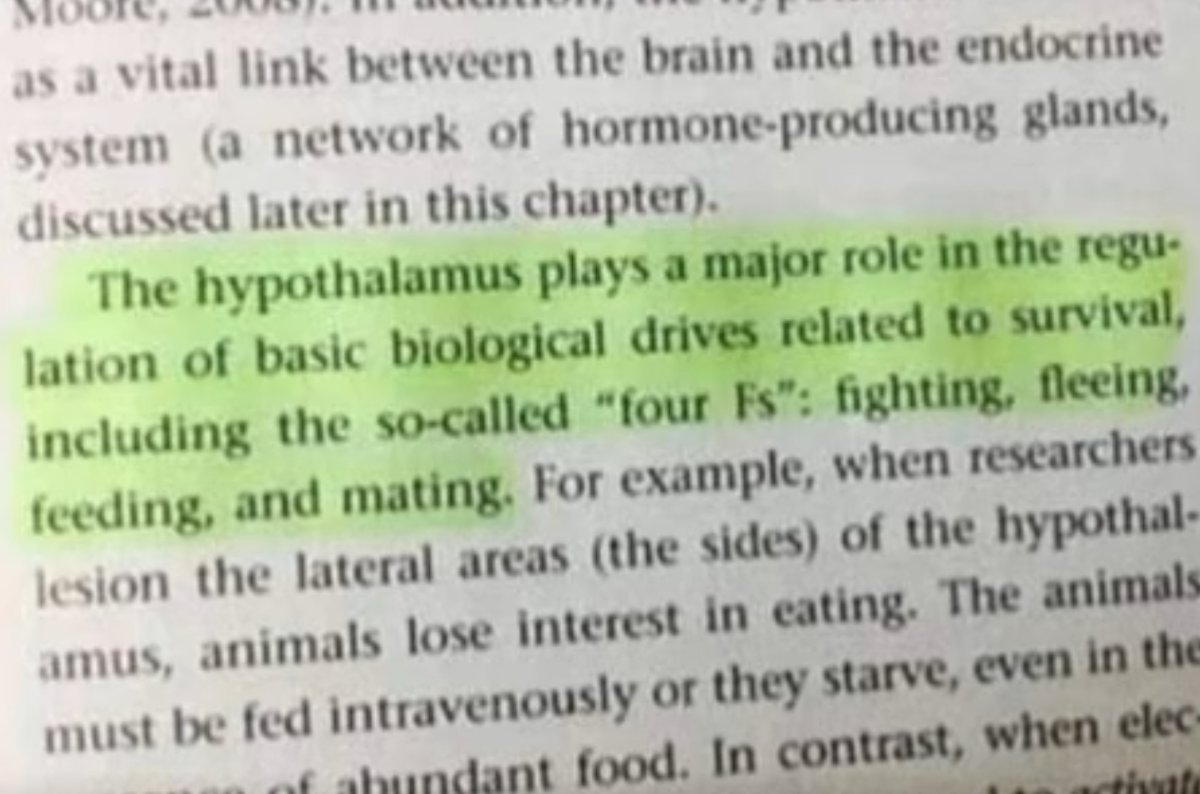
@Deykun zgrabne. Takie lubię, a w podręcznikach akademickich to jest złoto. Zakuwasz 200str. jakiejś drętwej cegły, mózg się supła, wtedy trafiasz na easterka i humor gitówa. Comic relief działa lepiej niz dzban kawy
@Deykun tak se myślę, 4F powinno subtelnie rozszerzyć gamę asortymentu. Wstawić gdzieś małą wystawkę z prezerwatywami, choćby jedną paczkę z cenówką, gdzieś pomiędzy działem z boksem, bieganiem, a odżywkami.

@Deykun nieźle Ktoś się wymigal od czwartego f
Zaloguj się aby komentować
Zaloguj się aby komentować
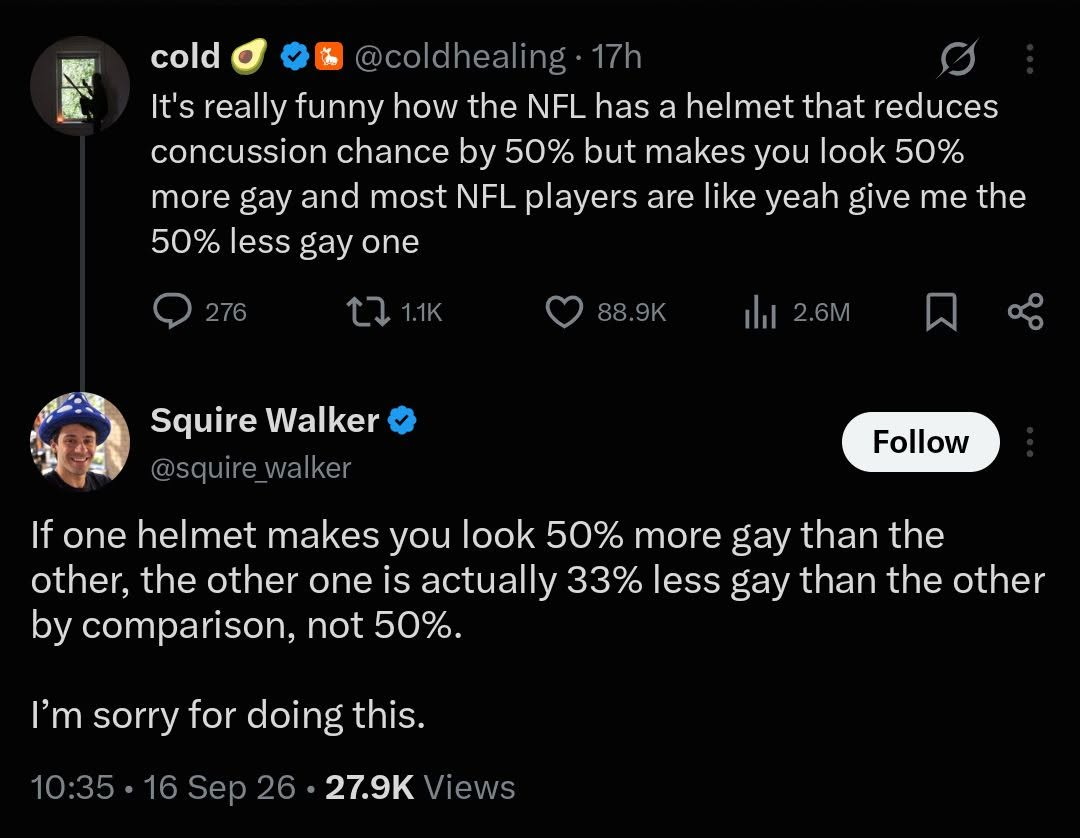
@Deykun ach, procenty w dwie strony
Zaloguj się aby komentować
Zaloguj się aby komentować

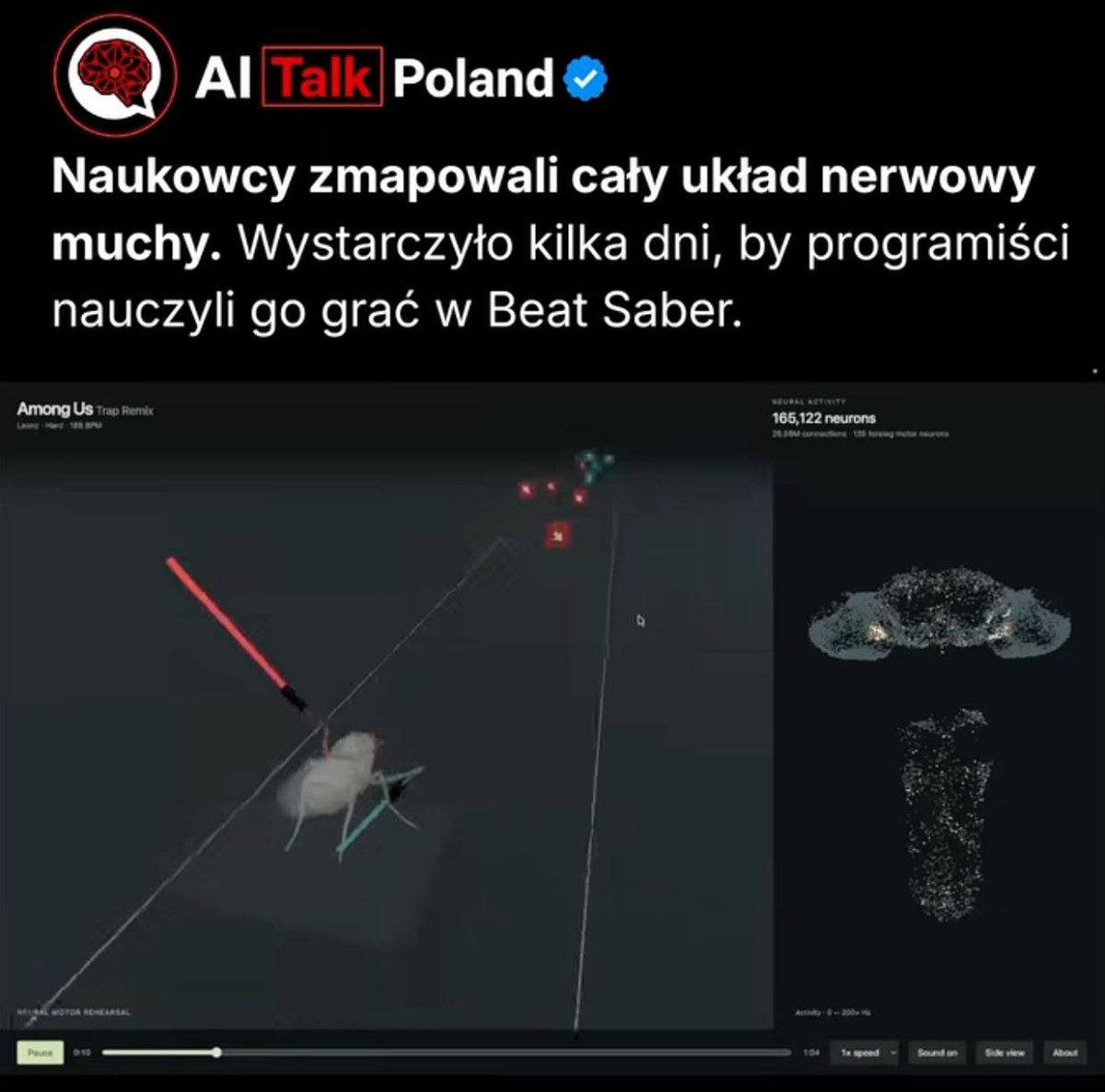
@Deykun trochę o tym wcześniej czytałem, ale to mapowanie mózgu nie było wcale takie proste, oni ten mózg najpierw jakoś zamrozili, a potem pocięli na plasterki liczone w mikronach czy jeszcze cieniej. A każdym razie uzyskali tysiące takich plasterków i zeskanowali. I na tej podstawie (z pomocą AI do konwersji 2D do 3D) odtworzyli układ neuronalny - siatkę. I teraz (widocznie) z pomocą innej AI ten model sobie uruchomili.

@ramen Ok, ok, tylko jedno ale... To nie jest mózg - na memie masz 'układ nerwowy' i to jest trafne.

ale w taki symulator muchy, gdzie final boss to stary z laczkiem, to bym zagrał
@jakibytulogin ee tam, zagrałbym symulatorem komara: jest druga rano i są "cele" w mieszkaniu

@Deykun i have no mouth and i must scream play beat saber
Zaloguj się aby komentować
Zaloguj się aby komentować

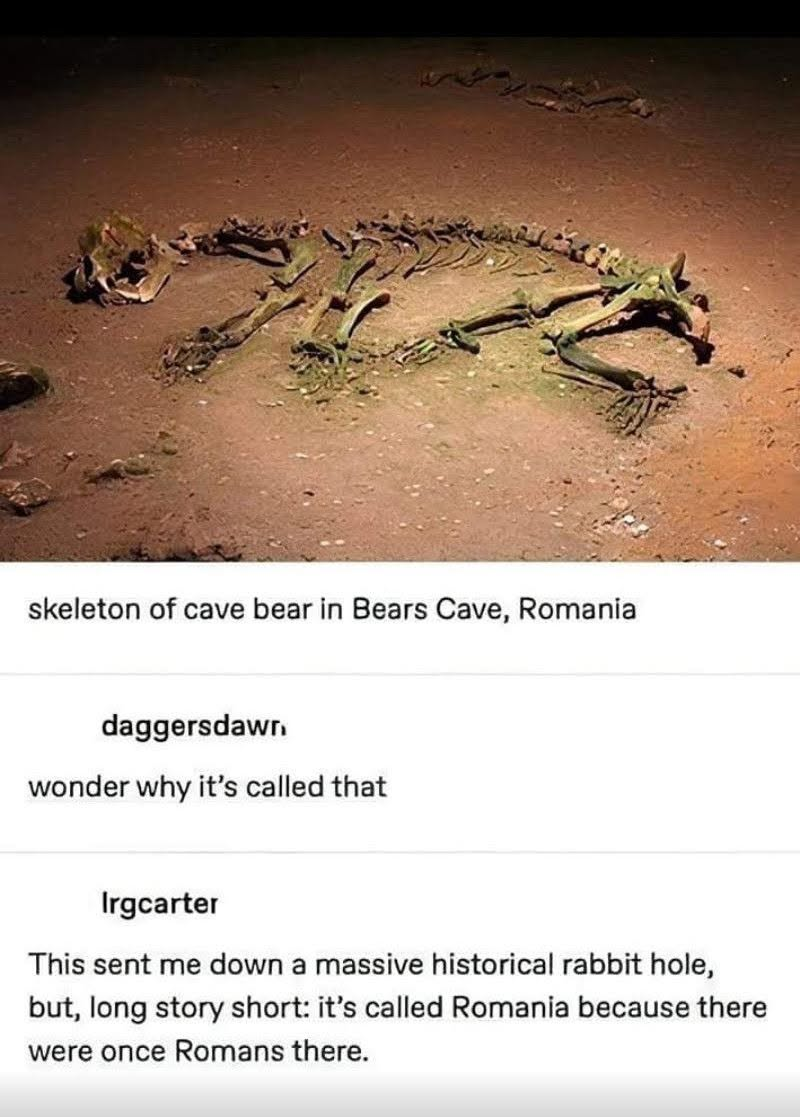
@Deykun pamiętam odpytkę na chemii... Bor glin gal ind Tal
Zaloguj się aby komentować

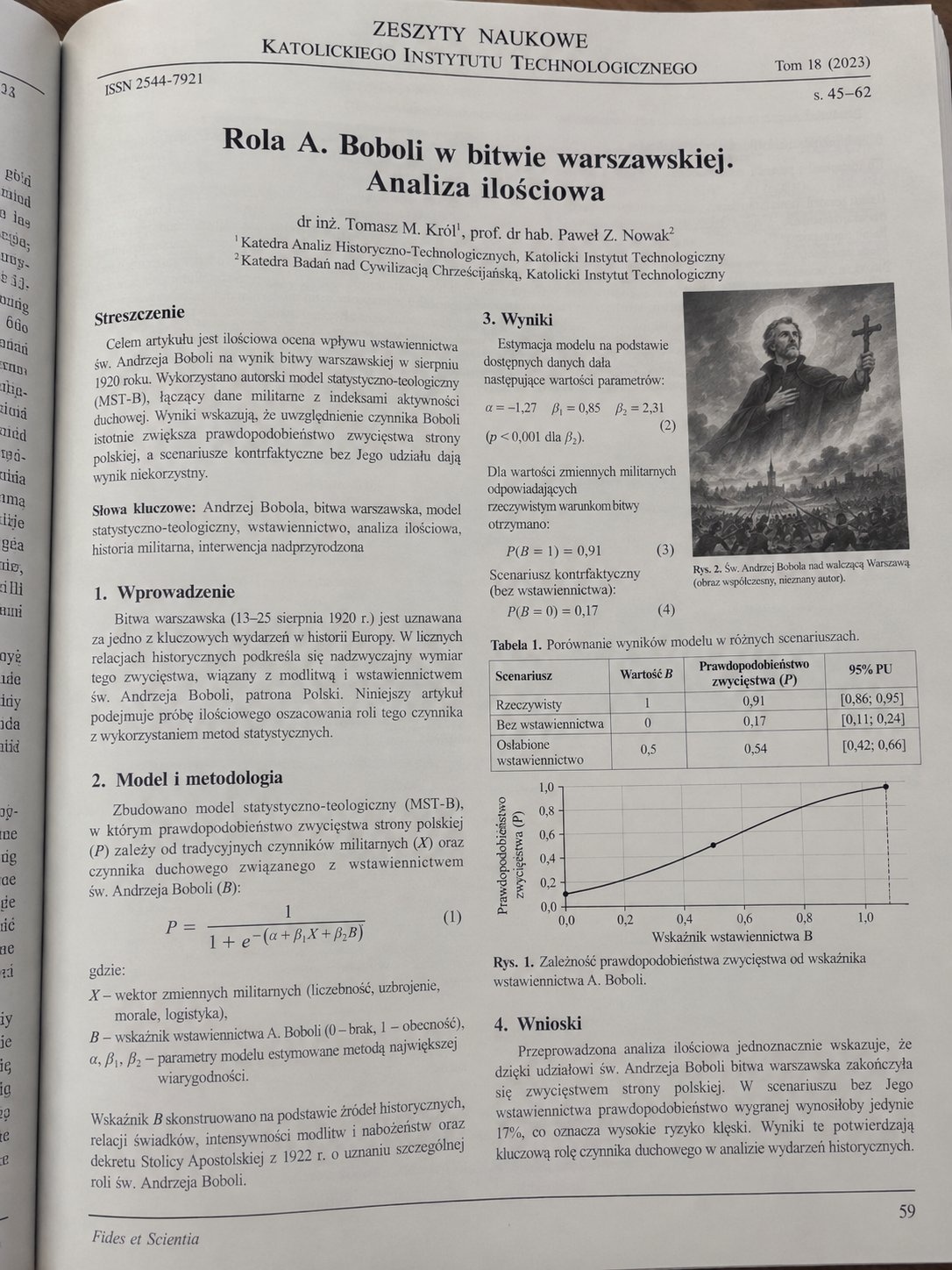
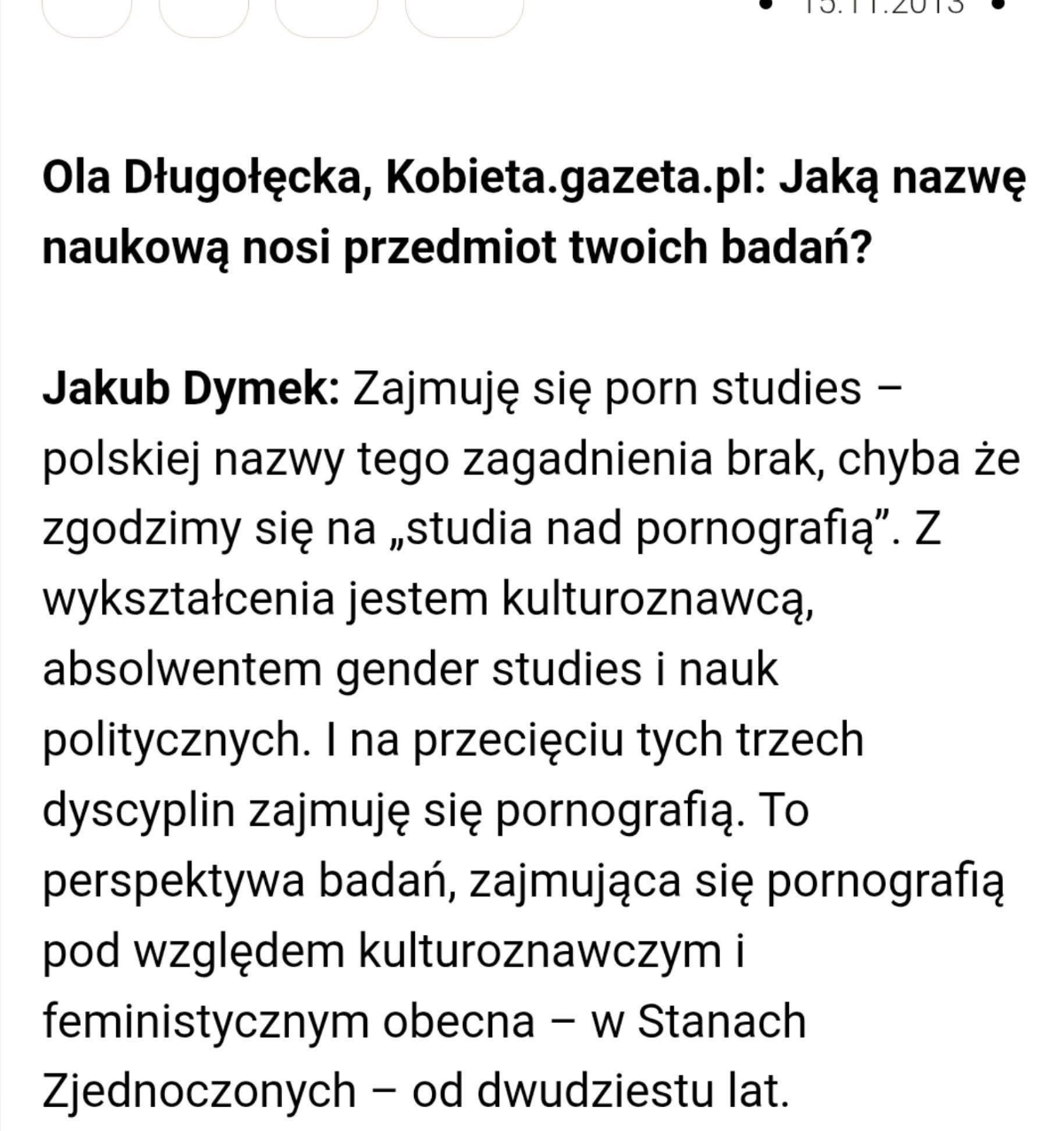
Hahahaha, tytuł pracy powinien być: "Jak zracjonalizować sobie marszczenie freda"

@DuckDuckDog
Pornografia to jest jedna z najbardziej powszechnych ludzkich aktywności - działa ponad podziałami i jest używana przez ludzi z zasadzie każdej grupy. Jest to jak najbardziej temat, nad którym jest sens prowadzić badania społeczne.
@Deykun domyślam się sponsora tego kierunku:


@Deykun gość musi mieć mocny uścisk dłoni 😛

@razALgul trzeba go zapytac czy wyrosly mu juz wlosy na dloniach xD
Zaloguj się aby komentować

@Deykun Wy się śmiejecie a ja w zeszłym miesiącu autentycznie z tymi debilami miałem taki problem:
Jest projekt. Wymiary metryczne.
Trzeba dostosować szyk elementów: musi być 1 stopa i 4 cale.
Oh shit - Nie pasuje do pozostałych wymogów. Musimy zrobić 1 stopa 4 cale + 10 cali wtedy jakoś się da to zespawać.
Nikt nie wie ile to stóp i cali, ani my ani klient. Reszta rozmowy przebiegała w milimetrach.
Zaloguj się aby komentować
Zaloguj się aby komentować
Zaloguj się aby komentować
Zaloguj się aby komentować