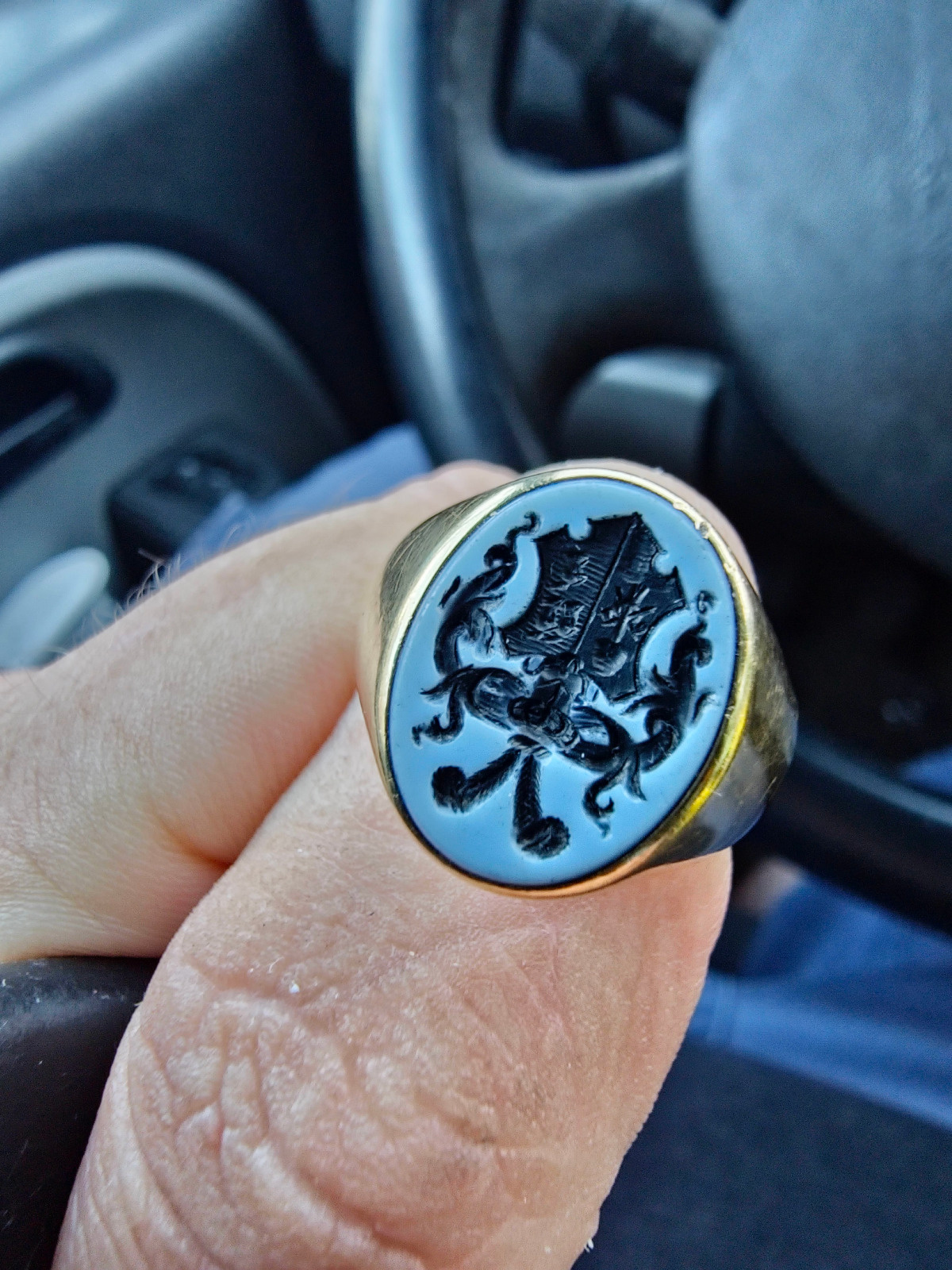
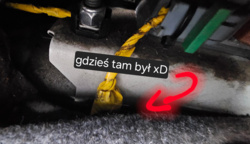
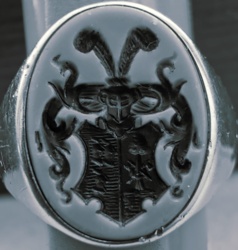
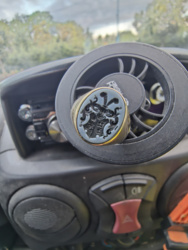
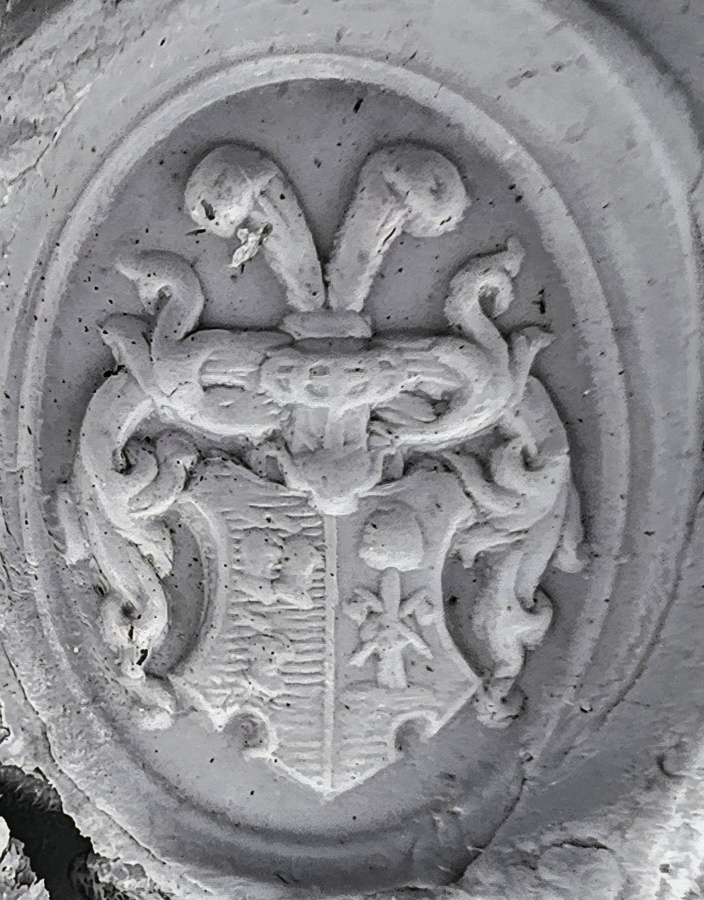
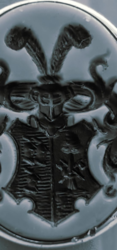
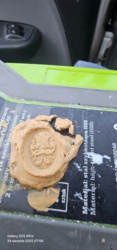
Grzebiąc pod podłogą służbowego fiata doblo znalazłem taki oto wtf złoty sygnet herbowy. Ciekawym czy Niemiec po nim płakał, czy to taka pańska rekompensata za dramat z elektryką w tym aucie? Czy ktoś rozumie się w herbach i pomoże rozpoznać? Mój blablablarz o tem: tarcza dwudzielna typu gotyckiego, lewe pole niebieskie, na nim trzy krewetki, w prawym polu grzybek na górce z toporami na pniu, hełm w klejnocie i dwa pióra strusie

#historia #szlachta #motoryzacja #historiawmotoryzacji #herby

6ab904bf-c10c-4738-8e8f-d04ac730ad2a
f6935599-c6dd-4f22-be6a-9c0eeeed6d08
01b596f2-7042-41f2-aede-461704c153e4
1a289f2e-7d21-43ae-b1dd-6224a65ca197
306e2483-55c9-4710-993a-35dfc97a46e1

Komentarze (32)

vredo

@Heheszki Jesteś Lone Starr, ten artefakt potwierdza, że należysz do kurlewskiego rodu i masz prawo poślubić księżniczkę


Kłaniam się xd

Heheszki

@vredo xD Ktoś to przerobił z CNG na bp . Jak to gówno transformować z powrotem????

modulator_serwisu

@vredo może też poślubić kurewnę

myoniwy

@Heheszki Aż sprawdziłem jak wygląda herb mojego nazwiska. Jest inny, nie będę cię ganiał żebyś oddał.

Heheszki

@myoniwy Możesz mieć dwa. Programujesz ecu?

myoniwy

@Heheszki Nie mam żadnego, więc po co mi cudzy?

Nie, nie zajmuję się elektroniką samochodową.

vredo

@Heheszki Jako krul masz amję i własny hyhyhymn

https://www.youtube.com/watch?v=e3YzmjmAGoI

AdelbertVonBimberstein

@Heheszki to mój, proszę mi go oddać

Heheszki

@AdelbertVonBimberstein Napraw coś zepsuł i zabieraj

Opornik

Komentarz usunięty

Earl_Grey_Blue

To chyba fejkowy herb, zrobiony dla szpanu.

Heheszki

@Earl_Grey_Blue od tygodnia badam temat i sądzę że to krzyżówka dwóch. Na pewno nie polskich - raczej niemieckich lub austriackich. Trzebaby mieć niemożliwie nasrane w bani żeby wydać tysiaka na sygnet z wymyślonym herbem i wymyślić właśnie taki. Nie twierdzę że tacy ludzie nie istnieją, ale...

Earl_Grey_Blue

@Heheszki Kij wie, ale tarcza nie przypomina nic historycznego, przynajmniej dla mnie. Wygląda jak nowoczesny wymysł.

Heheszki

@Earl_Grey_Blue może to być też herb osady grzybiarzy-poławiaczy krabów A serio to: kształty odpowiadają modzie i fantazji, różne bywały - herb ten sam, kształty różnorakie.

da0c2298-b878-461e-8797-12b46ac96a98
42020e31-dafb-4c9c-a569-0b581a9bcc97
e32e8b8e-6b48-4ac0-a0de-4d5c47e4394c
Taxidriver

@Heheszki czat GPT twierdzi, że to herb związany z rodami zajmującymi się browarnictwem. Więc pasowało by do Niemiec.

Co jest wygrawerowane na wewnętrznej stronie sygnetu?

Skąd przyjechał samochód?

Heheszki

@Taxidriver doblo sprowadzono ze Śląska, a tam z Niemiec. Wewnątrz obrączki próba 585 i kwadracik, jak na zdjęciu. Pomóż rozpoznać chociaż jedną z połówek tarczy :), chatgpt niestety brakuje w tym wyobraźni .

Wydaje mi się że dmuchacze szkła -niem. glassers - mają podobne cechowe ikonki. Nie znalazłem podobieństw w cechach browarniczych.

Taxidriver

@Heheszki może gdyby było zdjęcie wyższej jakości. Hejto ma kompresję jak polonez na zaworach-chujową.

Taxidriver

@Heheszki to mam od chata:


Thanks for the clearer photos — they confirm what we’re looking at much better.

What the engraving shows


Shield is parted vertically (per pale) → almost always indicates a marriage or alliance coat of arms.


Left half (dexter): looks like two heads in profile, one above the other on a hatched (red/gules) background.


Right half (sinister): very clear now — a malt shovel (Malzschaufel) above a cross with fleur-de-lis ends (Lilienkreuz).


Above the shield: a helmet with mantling and two ostrich feathers as crest.


Interpretation


This isn’t a random decorative design; it’s a genuine heraldic composition.


The malzschaufel is strongly linked to brewer or maltster families in Germany. Brewing guild families often incorporated this tool into their arms.


The divided shield suggests one side is the husband’s family (perhaps a noble or patrician family using the two heads), the other side the wife’s family (a brewer’s lineage, hence the shovel).


The style of the engraving looks modern (your hunch is right — probably 20th or 21st century), so this ring was almost certainly made for a descendant who still uses or commemorates the family arms.


What this means


Without the surname it’s almost impossible to say exactly which family this belongs to — but it’s a real family signet, not just a decorative piece.


It is probably from a southern German region (Bavaria, Franconia, Baden-Württemberg), where brewing symbols appear frequently in heraldry.


Next steps if you want to trace the family


Check inside the band for hallmarks or initials (maker’s mark, city mark). That can pin down region and date.


Use the German blazon to search in Siebmacher’s Wappenbuch or the Deutsche Wappenrolle (HEROLD, Berlin):

„Gespalten: rechts in Rot zwei Köpfe im Profil übereinander; links in Silber eine Malzschaufel über einem Lilienkreuz. Helmzier: zwei Straußenfedern.“


If you know the city or area where the ring came from, ask the Stadtarchiv — brewing guilds kept heraldic rolls.


👉 If you’d like, I can prepare a step-by-step lookup guide in Siebmacher online, where you can browse arms by symbol (e.g. “Schaufel” for shovel).

Would you like me to try and do that lookup for you?

Thanks for the clearer photos — they confirm what we’re looking at much better.

What the engraving shows


Shield is parted vertically (per pale) → almost always indicates a marriage or alliance coat of arms.


Left half (dexter): looks like two heads in profile, one above the other on a hatched (red/gules) background.


Right half (sinister): very clear now — a malt shovel (Malzschaufel) above a cross with fleur-de-lis ends (Lilienkreuz).


Above the shield: a helmet with mantling and two ostrich feathers as crest.


Interpretation


This isn’t a random decorative design; it’s a genuine heraldic composition.


The malzschaufel is strongly linked to brewer or maltster families in Germany. Brewing guild families often incorporated this tool into their arms.


The divided shield suggests one side is the husband’s family (perhaps a noble or patrician family using the two heads), the other side the wife’s family (a brewer’s lineage, hence the shovel).


The style of the engraving looks modern (your hunch is right — probably 20th or 21st century), so this ring was almost certainly made for a descendant who still uses or commemorates the family arms.


What this means


Without the surname it’s almost impossible to say exactly which family this belongs to — but it’s a real family signet, not just a decorative piece.


It is probably from a southern German region (Bavaria, Franconia, Baden-Württemberg), where brewing symbols appear frequently in heraldry.


Next steps if you want to trace the family


Check inside the band for hallmarks or initials (maker’s mark, city mark). That can pin down region and date.


Use the German blazon to search in Siebmacher’s Wappenbuch or the Deutsche Wappenrolle (HEROLD, Berlin):

„Gespalten: rechts in Rot zwei Köpfe im Profil übereinander; links in Silber eine Malzschaufel über einem

Heheszki

@Taxidriver widzisz, tobie powiedział o dwóch głowach z lewej, mi - o trzech lwach. Jeżeli zasugerować mu kraby - przyzna ci rację, jeżeli zapytać czy może być włoski - potwierdzi

Opornik

585, data bitwy pod Grunwaldem

Heheszki

śmiechłem gromko jak Zagłoba XD nareszcie jakiś trop

AureliaNova

Sądząc po współczesnym wykonaniu to ktoś tak sobie radził z kryzysem wieku średniego. Uniwersum współczesnych "potomków szlachty" to turbo dziwny świat :P

Opornik

@AureliaNova tej szlachty co to nie pracuje? słyszałem że bardzo dużo ich na Facebooku

AureliaNova

@Opornik akurat tej, która musiała pracować ale czasem pieniądze w dużej ilości szkodzą :P

FoxtrotLima

@Heheszki Araby takie coś noszą. U Niemców nie widziałem.

Opornik

@FoxtrotLima Araby larpujace na europejską szlachtę? no tego jeszcze nie widziałem.

FoxtrotLima

@Opornik nie znam się na hebach, ale takie dojebane sygnety tylko u nich widziałem. I u cyganów jeszcze.

Zaloguj się aby komentować