Dyskusja użytkownika myrmekochoria

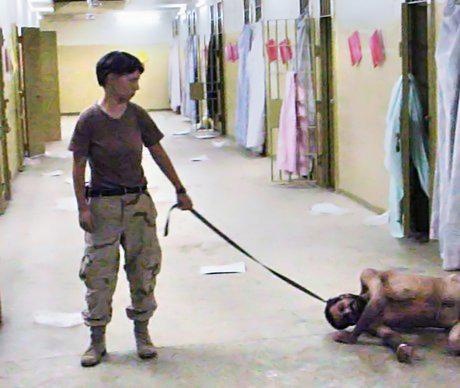
Lynndie England trzyma na smyczy więźnia zwanego "Gus" w więzieniu Abu Ghraib, 2003.
Bardzo dobry artykuł w PDF. Ludzie na polskim Internecie przeważnie nie czytają, ale ten artykuł jest całkiem dobry.
"A decade ago, in the autumn of 2003, a small group of soldiers criminally abused detainees at the Abu Ghraib prison in Iraq. Two divergent narratives explaining these events emerged: a “bad apple” narrative and a “bad barrel” narrative. Neither does jus- tice to the complex interplay of policy, organizational, and individu- al factors that contributed to these tragic events. A perfect storm of poor leadership, chaotic and confusing policy changes, and a small group of corrupt and immoral soldiers produced this fiasco with global consequences.
It has been a decade since the world learned about Abu Ghraib. The abuses depicted in the photographs with which we are all now so familiar occurred in the fall of 2003. It was not until April 2004, when photographs of the abuses appeared on Sixty Minutes II, that the public became aware of what had happened.1 Seymour Hersh, in a 10 May 2004 article in the New Yorker, set the tone for much of the subsequent discussion. The subtitle of his article was, “American soldiers brutal- ized Iraqis. How far up does the responsibility go?” Hersh concluded his article with a quotation from Gary Myers, civilian defense attorney for one of the soldiers who committed the abuses: “I’m going to drag every involved intelligence officer and civilian contractor I can find into court. Do you really believe the Army relieved a general officer because of six soldiers? Not a chance.”2 From the outset, then, “Abu Ghraib” was construed as much more than a case of soldier misconduct. It was to be a story of the inevitable consequences of the administration’s misguided approach to interrogation, detainee treatment, and torture, and the plight of a few low-level soldiers fingered as fall guys for those responsible higher up the chain. It would eventually become clear, though, that there was responsibility at every level: policy, organization, and individual"
#historia #starszezwoje #usa #wojna